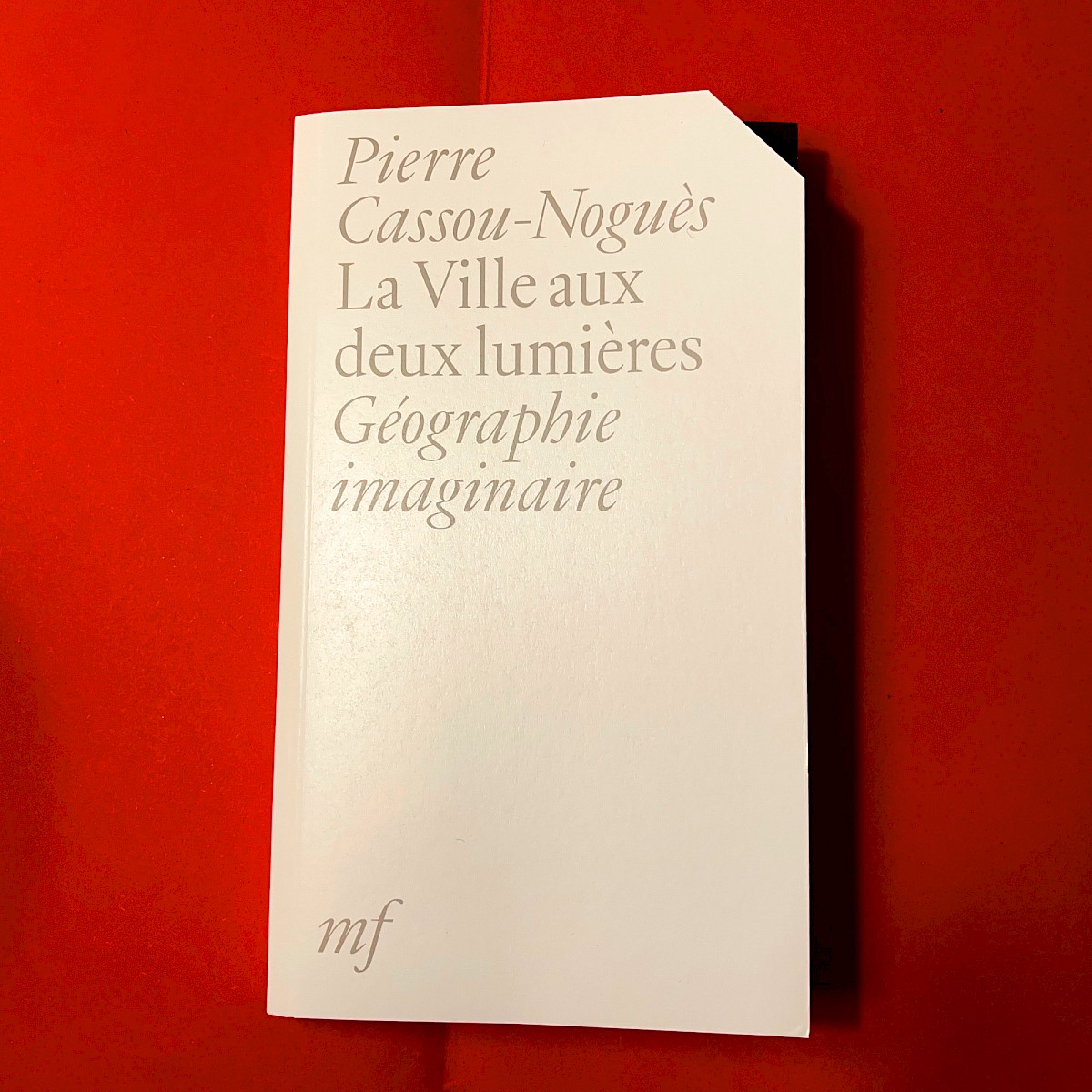
La Ville aux deux lumières
Géographie imaginaire
The perspective and style of The City with Two Lights are shaped by the idea that philosophy is founded on fictions. Fictions give expression to concepts that, without them, would spin their wheels. They bring to light the relationships between our concepts and make it possible to organize them into propositions that ultimately form a system.
The book consists of two major narratives, or fictions, which can be read as such but also as expressions of an imaginary cosmology inspired by the work of the English philosopher Alfred North Whitehead (in the first case) and by a theory of coexistence (in the second).
In the first text, the narrator travels across an animated Earth that contains in its stomach the seeds of every thing and every color, of everything that can be said and done: God become Earth. In the second, he is confronted with machines for coexisting (in the sense in which Le Corbusier spoke of machines for living), which include not only houses and means of transportation but also the tools of writing, clothing, and ultimately the skin itself, which constitutes the first and most intimate of the devices that inscribe us in the external world.
Of the two texts brought together in this volume, one was already published in 2008 but has been profoundly reworked here, while the second was written specifically for this re-edition.
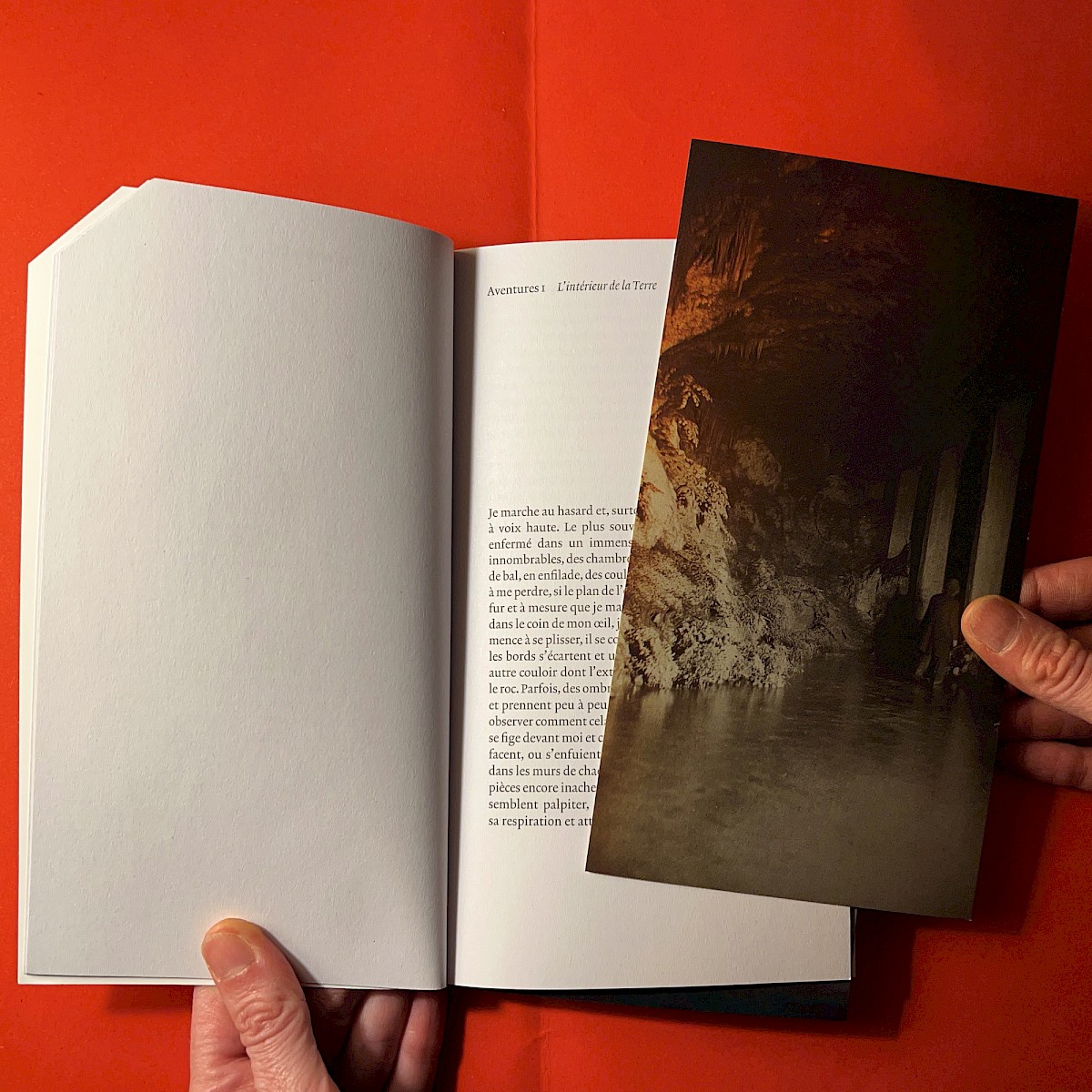
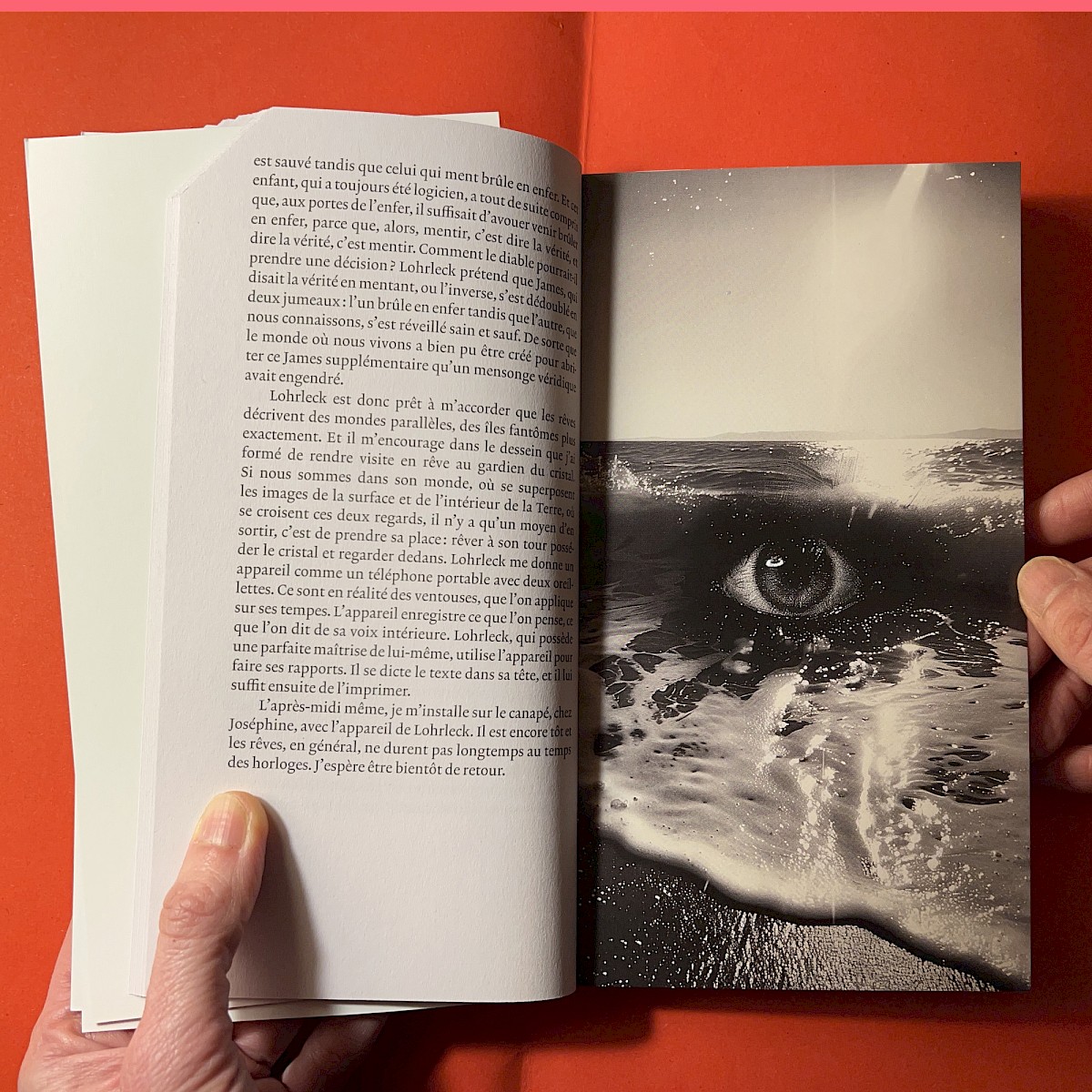
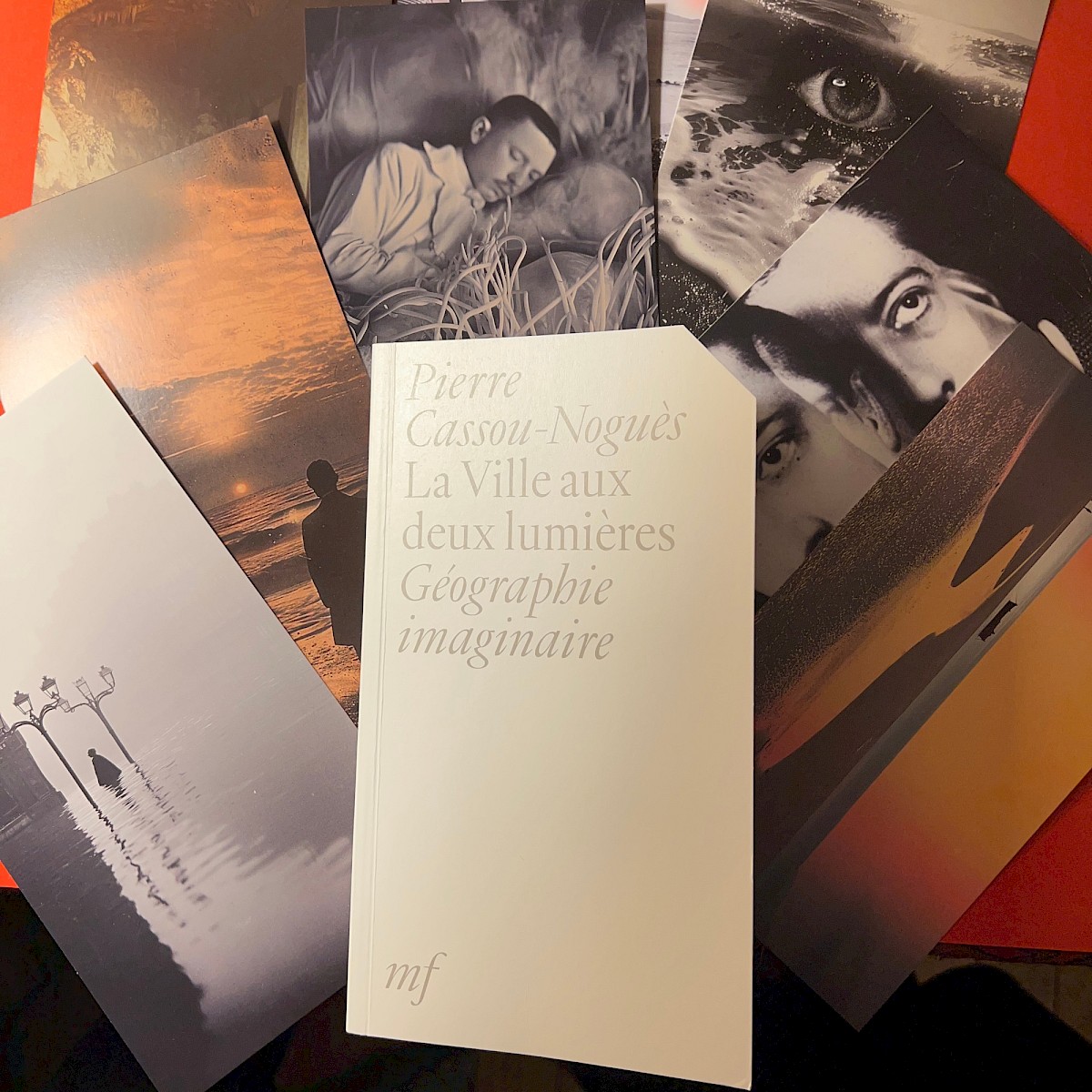
Images : Gwenola Wagon
Collection : Inventions
January 2026